PROFESSIONAL BABYSITTING OPERATIONS AND ETHICS
FREE
No payment required
PROFESSIONAL BABYSITTING OPERATIONS AND ETHICS
Build practical babysitting confidence through professional operations, safety routines, ethical decision-making, and respectful child care practice. This course teaches learners how to prepare for assignments, supervise children actively, communicate with parents, follow household expectations, respond to routine challenges, document concerns, and maintain professional boundaries.
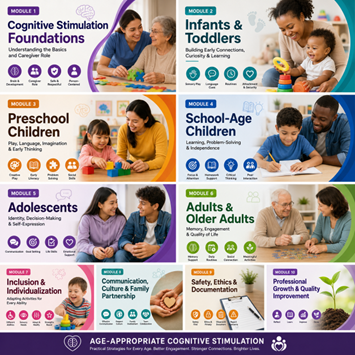
Babysitting is often treated as casual work, but it requires serious attention, judgment, and ethics. A babysitter may be responsible for a child’s safety, routines, emotional comfort, meals, hygiene, play, rest, emergency response, and communication with parents. This course helps learners understand babysitting as a professional caregiving role that requires preparation, reliability, respect, boundaries, and calm decision-making. The course covers role clarity, active supervision, household handover, child development basics, routines, behavior guidance, health observation, emergency preparedness, safeguarding, privacy, communication, business operations, documentation, and professional growth. Every lesson is written in plain language and connected to realistic babysitting practice. Learners will explore practical examples, reflection questions, caregiver practice points, mini activities, and professional scripts. The course emphasizes that babysitters should not diagnose illness, provide unapproved medication, use harsh discipline, share private family information, post child images, or ignore safety concerns. A professional babysitter observes, supports, reports, documents when needed, and follows parent instructions and local law. Key Points • The course does not certify learners in first aid, CPR, childcare licensing, or child protection law. • The course prepares learners to provide safer, more organized, and more ethical babysitting support. • Instructors should adapt policies, emergency numbers, consent rules, and safeguarding duties to the learner’s country or organization. Reflection: How does viewing babysitting as professional caregiving change daily behavior?
What You Will Learn In This Course
Course Modules
10 modulesModule 3
MODULE 3: DAILY OPERATIONS AND ROUTINE MANAGEMENT