BEGINNER LEVEL
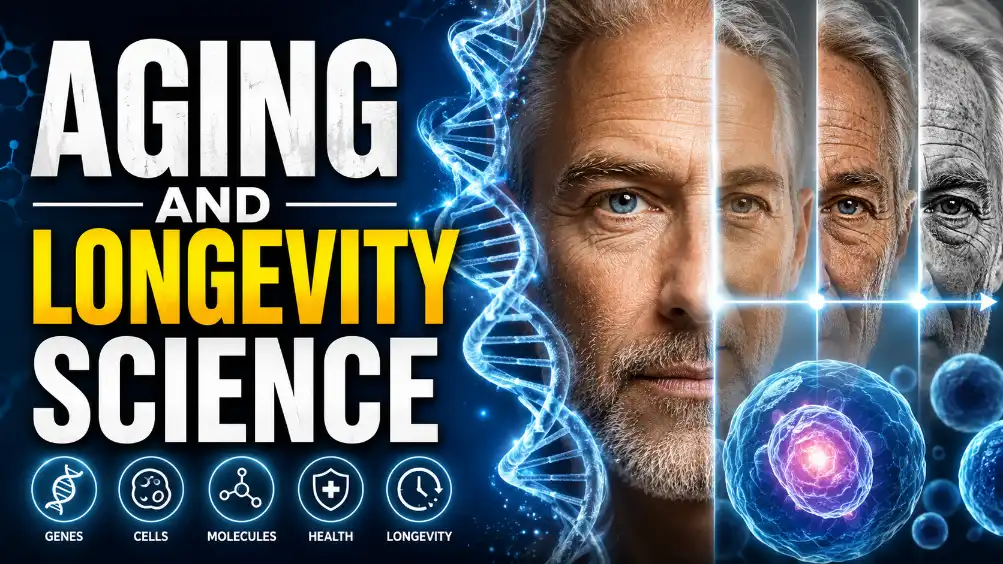
AGING AND LONGEVITY SCIENCE
$40.00
AGING AND LONGEVITY SCIENCE
Master caregiver-focused aging and longevity science for safer, more respectful support of older adults. This course explains healthy aging, age-related body and brain changes, functional ability, prevention, communication, safety, documentation, and person-centered care in clear practical language.=
Aging is not simply the passing of time. It is a complex life process shaped by biology, environment, behavior, relationships, culture, access to care, and social support. Longevity science asks how people can live longer while also maintaining function, independence, meaning, and quality of life. For caregivers, this science becomes useful when it is translated into daily support.
This course introduces aging and longevity science from a caregiving perspective. It does not train learners to diagnose age-related disease, prescribe treatments, interpret laboratory results, or replace licensed healthcare professionals. Instead, it prepares learners to understand common changes of aging, support healthy routines, notice warning signs, communicate respectfully, document objectively, and work as part of the care team.
The course covers healthy aging, biological aging, functional ability, frailty awareness, chronic disease prevention, nutrition, hydration, movement, sleep, cognitive health, dementia support, delirium awareness, emotional well-being, social connection, fall prevention, medication safety, elder rights, ethical decision-making, family support, documentation, quality improvement, and professional development.
Each lesson includes caregiver practice points, an applied example, reflection question, and mini activity. Instructors may adapt examples and policy references to local regulations, workplace procedures, and country-specific health guidance.